Custom-Made Dentures in Singapore
Looking for dentures in Singapore? If you are missing teeth, dentures can be a simple and reliable way to help you eat more comfortably, speak more clearly, and feel more confident when you smile again. At Kent Dental Works, we provide full dentures, partial dentures, and denture repairs for adults and seniors, tailored to your individual needs.
Our clinic is located at South Buona Vista near Pasir Panjang, and we welcome patients who want a clear and guided approach to treatment. From your first consultation and impressions to fitting and follow-up care, we take a step-by-step approach, so you always know what to expect.
If you are unsure about the right option, our dentists will explain the choices in plain, easy-to-understand terms, along with how to care for your dentures and keep them comfortable over time.
At Kent Dental Works, our focus is on making dentures feel as natural and comfortable as possible so you can return to everyday life with confidence.

What are False Teeth (Dentures) in Singapore?
A denture is a removable oral prosthesis that can replace all your missing teeth at one go. It is the most cost-effective choice among all the other options.
It sits directly on top of your gums, creating a suction between the appliance and soft tissues for full dentures.
For partial dentures, small clasps are designed around existing healthy teeth for extra grip.
There are different designs and materials used to custom make a denture for optimal aesthetics, function and affordability.
Some cases require a denture to sit on top of dental implants, also known as implant-supported dentures.
This is best suitable for people with narrow bones or those who struggle with getting a good fit that feels secure all day.
How to Know if Dentures Are Right for You
At Kent Dental Works, we understand that choosing dentures is a personal decision. Some patients need them after losing several teeth, while others are simply exploring ways to improve comfort when eating and speaking, as well as confidence in their smile. During your consultation, our dentists in Singapore will assess your oral health and explain whether dentures are a suitable option for you.
Dentures may be worth considering if you:
- Have missing teeth that make chewing, speaking, or smiling more difficult
- Have several loose or weakened teeth, often due to gum disease
- Have noticed changes in your facial shape as a result of tooth loss
- Prefer a removable option that is easy to manage day to day
- Are looking for a more affordable way to replace missing teeth
- Would like a clear, step-by-step treatment process with proper guidance
For some patients, tooth removal may be required before dentures can be fitted. If this applies to you, we will explain the process clearly so you know what to expect and can plan with confidence.
If you are also considering a fixed option such as dental implants, we can explain the differences so you can make an informed choice.
Our goal is to help you choose a treatment that feels comfortable, practical, and suitable for your everyday life.
Types of Dentures We Provide
At Kent Dental Works, we provide denture treatments in Singapore to replace missing teeth and help restore comfort when eating, speaking, and smiling. During your consultation, our dentists will assess your oral health and explain the most suitable options based on your remaining teeth and individual needs.
Full Dentures
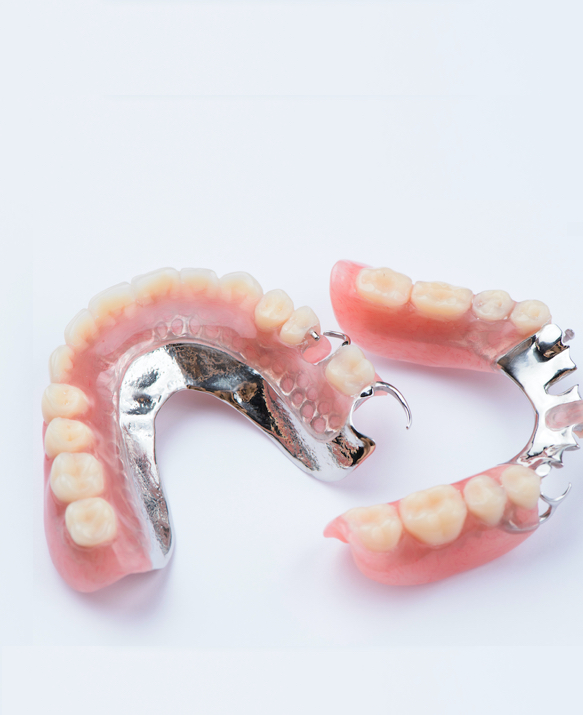
Full dentures are used when most or all teeth in the upper or lower jaw are missing. They are designed to restore chewing function, support facial structure, and improve the appearance of your smile in a natural-looking way.
Partial Dentures
If you still have some healthy teeth, partial dentures can be used to fill the gaps left by missing teeth. They help improve chewing, reduce movement of surrounding teeth, and make speaking and eating more comfortable.
Denture Bases
The denture base is the part that sits against your gums and supports the replacement teeth. A well-fitted base is important for comfort and helps the denture stay stable during daily use.
Denture Teeth and Clasps
The artificial teeth are selected to closely match the appearance of your natural teeth. For partial dentures, small clasps may be used to help hold the denture gently and securely in place.
Denture Adjustments and Relining
It is common for the gums and jawbone to change over time, which can affect how dentures fit. Adjustments or relining can help improve comfort again and reduce any looseness or irritation.
Denture Repair Support
If your dentures are cracked, chipped, or no longer fitting well, we can assess them and provide repair solutions where suitable to restore comfort and function.
If you are unsure which option is right for you, our team will guide you through everything in clear, simple terms so you can make an informed decision with confidence.

Dentures vs Dental Implants
Both dentures and dental implants are commonly used to replace missing teeth, but they work in different ways and suit different needs. At Kent Dental Works, we take the time to explain each option clearly so you can decide what feels most suitable for you.
Simple comparison
- Dentures: Removable teeth replacement that can replace several or all missing teeth. They are usually more affordable and do not involve surgery.
- Dental implants: Fixed replacements placed into the jawbone. They are designed to feel more stable and closer to natural teeth but require a surgical procedure and sufficient bone support.
Which option may be right for you?
Dentures may be a better fit if you want a simpler, removable option that is easier to manage and more budget-friendly. Dental implants may suit you if you prefer a fixed solution that feels more secure and are comfortable with surgery.
Ultimately, the right choice depends on your oral health, bone condition, lifestyle, and budget. Our dentists will assess your situation and talk you through both options so you can make a decision that you feel comfortable with.
Why Choose Kent Dental Works for Dentures in Singapore
Kent Dental Works provides personalised, custom-made dentures designed for comfort, function, and a natural-looking smile.
- Durable, natural dentures tailored to each patient
- Restores chewing, speech, facial support, and confidence
- CHAS and Medisave-accredited clinic
- Panel dentist for major insurance providers
- Experienced dental team using modern, gentle techniques
- Convenient street-level location in Pasir Panjang
- Trusted by families and working professionals across Singapore
Denture Costs and Payment Options – Kent Dental Works
Denture fees at Kent Dental Works are clearly structured based on type and components:
- Partial: S$350 onwards
- Full: S$650 onwards
- Base: S$300 to S$450 each
- Tooth/clasp: S$20 to S$30 each
Final costs depend on the materials used, the number of teeth replaced, and the level of customisation.
Payment options include:
- CHAS subsidies for eligible patients
- Medisave claims for qualifying procedures
- Insurance coverage depends on your provider
- Flexible payment arrangements available
A transparent quotation will be provided before treatment begins.
How Dentures Are Made and Fitted (Step-by-Step)
At Kent Dental Works, we understand that getting dentures can feel like a significant decision. That is why we follow a clear and gentle process in Singapore to make sure your dentures feel comfortable, look natural, and work well in daily life.
1. Consultation and assessment
We begin by examining your teeth, gums, and bite. We then discuss your concerns and what you would like to achieve so we can recommend suitable options.
2. Treatment planning
Once we understand your needs, we explain the recommended denture type and outline each step of the process so you know what to expect.
3. Impressions and measurements
We take detailed impressions of your mouth to ensure your dentures are made to fit you accurately and comfortably.
4. Trial fitting (if needed)
In some cases, a trial fitting is arranged to check how the dentures look and feel. Any necessary adjustments are made before the final version is completed.
5. Final fitting and adjustment
When your dentures are ready, we fit them carefully and make small adjustments to improve comfort, stability, and bite.
6. Aftercare and follow-up
We provide simple guidance on caring for your dentures and arrange follow-up visits if required to help maintain a good fit over time.
If you are unsure about the process, our team will explain everything clearly so you can feel comfortable and confident at each stage.
Key Benefits of Getting Dentures
Dentures offer both aesthetic and practical advantages, helping you regain confidence and comfort in daily life.
1. Restores the Appearance of Your Smile
Dentures are designed to replace missing teeth and recreate a natural-looking smile. Each set is customised to complement your facial features, ensuring that the transition looks seamless.
2. Improves Chewing and Speech
Missing teeth can affect how you eat and speak. Dentures provide proper support for your lips, cheeks, and jaw, allowing you to chew more comfortably and pronounce words clearly.
3. A Cost-Effective Tooth Replacement Solution
Compared to dental implants or bridges, dentures provide a more affordable way to restore your smile. They are suitable for patients seeking functional and aesthetic results without the higher cost of surgical options.
4. Non-Invasive Treatment Option
Dentures typically do not require surgery or alteration of existing teeth. This makes them an ideal choice for individuals who prefer a conservative approach or may not be suitable candidates for dental implants.
5. Repairable and Adaptable Over Time
Dentures can often be adjusted or modified as your dental needs change. If additional teeth are lost later on, new teeth can sometimes be incorporated into your existing denture for continued comfort and function.
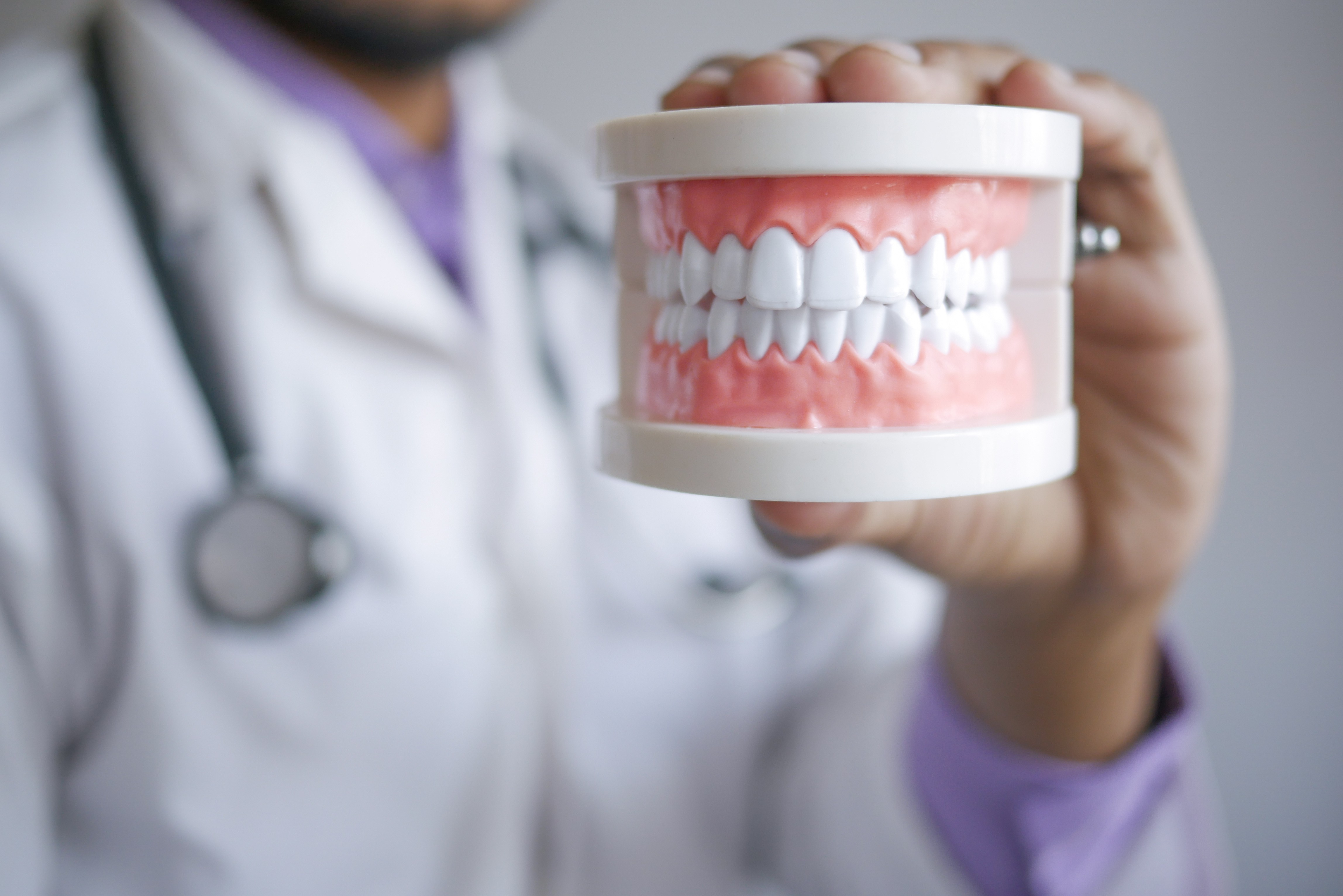
Getting Used to New Dentures: Practical Tips for a Comfortable Adjustment
It is completely normal to experience some unfamiliar sensations when you first start wearing dentures. Your mouth, tongue, and gums need time to adapt to the new fit and function. With the right care and habits, most patients adjust comfortably within a few weeks.
Here are some helpful guidelines to make your transition smoother and protect your new dentures:
| Do’s | Don’ts |
| Begin with soft foods such as mashed vegetables, soups, or yoghurt before gradually introducing firmer textures. | Avoid sticky, hard, or chewy foods that may dislodge or damage your dentures. |
| Chew slowly and evenly on both sides of your mouth to maintain balance and prevent irritation. | Do not bite down hard to keep dentures in place, as this can cause discomfort or damage. |
| Keep your dentures clean by brushing them daily with a soft toothbrush and mild denture cleanser. | Avoid using regular toothpaste, as it may be too abrasive and cause micro-scratches. |
| Remove your dentures at night to allow your gums and tissues to rest. | Do not wear removable dentures 24 hours a day, as it may lead to gum irritation or infection. |
| Stay hydrated and rinse your mouth after meals to remove debris and maintain freshness. | Avoid using hot water to clean your dentures, as it can warp the material. |
| Schedule regular dental check-ups for professional cleaning and adjustments if needed. | Do not attempt to adjust or repair your dentures on your own. Always seek professional help. |
Additional Advice from Our Dentists
- Be patient with speech: Practice reading aloud or speaking slowly to get comfortable with how your dentures feel when you talk.
- Manage initial soreness: Mild irritation is common during the first few days. If discomfort persists, visit your dentist for an adjustment.
- Keep follow-up appointments: Regular reviews help ensure your dentures fit properly and protect your oral health over time.
How to Care for Your Dentures
You should only wear them during the day and must be removed every night before bedtime allowing the gums and bone tissues to rest and maintain their health.
You can soak your dentures in a denture cleanser tablet that is dissolved in water to loosen any buildup tartar during the day. Brush your teeth separately before bed daily. The following morning, clean your teeth again and brush the denture before wearing it.
For proper maintenance, six-monthly checks are also necessary as dentures require occasional adjustments, repairs and relines.
Denture Repair
Over time, dentures can break or loosen, affecting the chewing function and causing discomfort to the gums. Let us have a look at your dentures in Singapore if they are not fitting properly.
Dentures Near Pasir Panjang / South Buona Vista
Kent Dental Works is located at South Buona Vista, near Pasir Panjang, making it a convenient choice for patients in the area who are looking for dentures in Singapore.
If you are dealing with missing teeth and want a practical solution, our team will guide you through the process clearly and reassuringly. From your first visit to the final fitting and follow-up care, we focus on ensuring your dentures feel comfortable and fit well in everyday life.
We are here to help you understand your options and provide support at every stage of your treatment so you can make confident decisions about your oral health.
Gain Back Your Confidence
Come and enquire if dentures are the right choice for your lifestyle and oral health. Contact us at Kent Dental Works: Gain Confidence with denture clinic in Singapore.
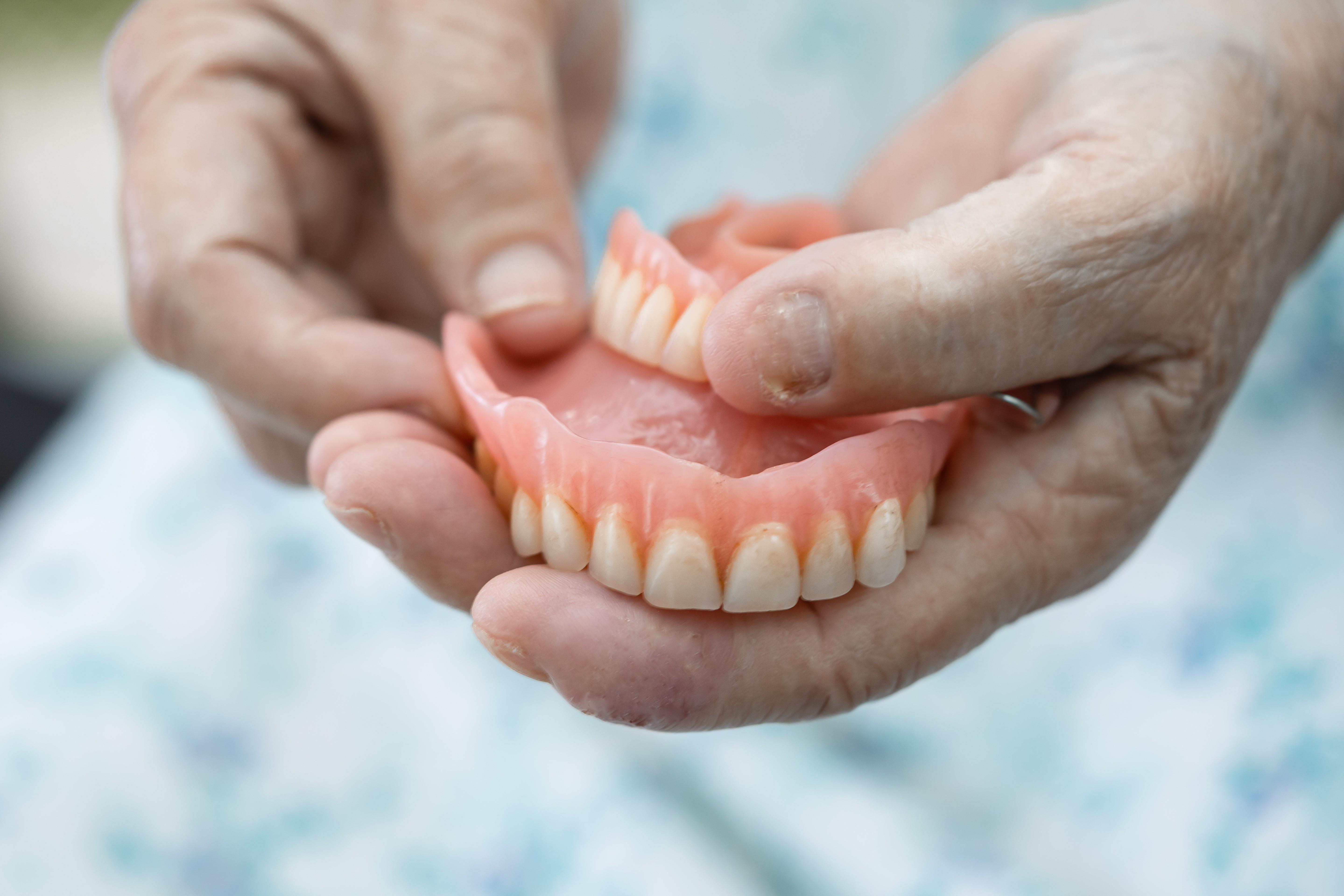
Dentures Singapore – FAQs
The time needed to make dentures depends on the type of denture and the complexity of your case. In general, partial dentures can often be completed within 1 to 2 weeks over 2 to 3 appointments, while full dentures usually take around 1.5 to 2 months and require 4 to 5 visits. Your treatment includes a consultation, impressions, bite registration, a trial fitting, and any necessary adjustments to ensure your dentures fit comfortably and function properly.
Wearing new dentures is akin to wearing new shoes. They won’t feel comfortable immediately at first and usually require an adjustment period whereby you need to give yourself time to get used to the dentures. Practise reading aloud, speaking and eating soft foods during the first two weeks to help you adapt to the dentures faster. You will usually need to come back 2-3 times so that the dentist can help you adjust the dentures at areas which are sore. It helps to take note of the area of discomfort and bring it up to the dentist during the adjustment visit.
Ideally after every meal, remove your dentures and wash away any food particles before wearing them again. This helps to reduce bacterial accumulation inside the denture and around the teeth and gums. At bedtime, remove the dentures and clean lightly with a toothbrush and some liquid soap. Rinse well and soak in normal tap water or use denture cleansing tablets diluted in water. In the morning gently rinse again with water before putting them on.
When you notice the dentures getting loose or start to cause lots of pain and discomfort, have them checked by our dentist. As a general rule, dentures should be replaced when they don’t heal as well as before or every 3-5 years depending on how fast the bone and gum tissues shrink as the years go by.
Implant-retained dentures are indicated to reduce dentures teeth movement and alleviate gum pain. The denture will sit on two to four dental implant fixtures which act as pillars to support the denture. Do ask the dentist if you are suitable for this type of denture.
Yes, you can eat most foods with dentures once you’ve adjusted to them. Start with soft foods cut into small pieces and gradually reintroduce firmer foods as you become more comfortable. Chewing evenly on both sides of your mouth can also help keep your dentures stable while eating.
Dentures typically last between five and ten years. Over time, natural changes in your gums and bone structure may affect their fit, so regular dental check-ups are important to assess whether relining or replacement is needed.
Most patients adjust to new dentures within a few weeks. During this period, mild discomfort or increased saliva production is normal. Practising speaking and eating with your dentures will help you adapt more quickly.
MediSave generally cannot be used for dentures, as they are considered non-surgical dental treatments. However, your dentist can advise if any part of your treatment is claimable under other dental subsidy schemes.
Getting dentures should not be painful. You may experience slight soreness or irritation as your mouth adjusts, but this usually resolves within a few days. If discomfort persists, your dentist can make adjustments to improve the fit.
It’s best to avoid very hard, sticky, or chewy foods such as nuts, toffees, and chewing gum. These can dislodge or damage dentures. Cutting food into smaller pieces helps reduce pressure and keeps your dentures secure while eating.
A denture reline involves reshaping the inner surface of your existing dentures to improve their fit. This is usually done when your gums or jawbone change over time, helping you maintain comfort and function without needing new dentures.
Modern dentures are designed to look highly natural. At Kent Dental Works, your dentures are customised to match the colour, shape, and size of your natural teeth, ensuring a confident, lifelike smile.
If your dentures crack or break, avoid using superglue or home repair kits. Contact your dentist immediately for professional repair or replacement. Wearing damaged dentures can cause gum irritation or poor bite alignment.
If a tooth comes loose or falls out, keep the denture safe and contact your dentist as soon as possible. In most cases, the tooth can be reattached or replaced without the need for a completely new denture.
The cost of dentures in Singapore can vary from person to person. It depends on whether you need full or partial dentures, the materials used, and the complexity of your case. After examining your teeth and gums, we will explain the options and provide a clear estimate before you proceed.
This is quite common. Over time, your gums and jawbone can slowly change shape, which affects how your dentures fit. If this happens, we can adjust or reline them to help improve comfort and stability again.
Yes, we offer denture repair in Singapore for problems such as cracks, chips, looseness, or general wear. We will assess your denture and advise whether it can be repaired or if another solution is more suitable.