How MediSave Covers Dental Implant Surgery in Singapore: Claim Limits, Eligibility and What Is Not Covered
If you are considering dental implants in Singapore, one of the first things you may want to know is whether MediSave can help with the cost. A dental clinic in Singapore can explain your treatment options and help you understand which parts may be eligible for MediSave. However, MediSave does not simply cover the full cost of implant treatment. What you can claim depends on the procedure, the applicable withdrawal limits, and your available MediSave balance.
This article explains what MediSave covers for dental implant surgery, who may be eligible, which costs may need to be paid separately, and how the claim process works.
Can You Use MediSave for Dental Implants in Singapore?
Yes. MediSave can be used for the surgical insertion or removal of dental implants, subject to the applicable requirements and withdrawal limits.
An implant treatment can involve several stages, including consultation, dental imaging, implant surgery, healing, and restoration. MediSave coverage depends on the specific eligible procedure rather than automatically applying to the entire treatment plan.
What MediSave Actually Covers for Implant Surgery
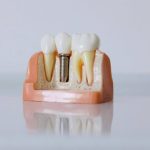
Dental implant placement involves a surgical procedure in which an implant fixture is inserted into the jawbone. This is the part of implant treatment that may be claimable through MediSave, subject to the applicable CPF Board requirements and withdrawal limits.
However, implant treatment involves more than the surgical placement itself. You may also need consultations, dental imaging, treatment planning, healing time, and restorative work, such as the placement of a crown. These costs should not automatically be assumed to fall under the same MediSave claim.
The claim is based on the eligible procedure rather than the number of visits or invoices issued during treatment. It is therefore useful to review your quotation by treatment component and confirm which parts are eligible before treatment begins.
Under the current MediSave rules, the withdrawal limit for dental implant surgery is based on the number of implants placed within the same quadrant:
- 1 implant: $1,950
- 2 implants: $3,070
- 3 implants: $4,190
- 4 implants: $5,310
The applicable limit is subject to the relevant MediSave requirements and the patient’s available MediSave balance.
Who Can Use MediSave for Dental Implant Surgery?
MediSave is available for selected dental procedures that involve surgery and meet the relevant requirements. Patients should check with their dentist whether their particular treatment qualifies for a MediSave claim.
The procedure must also be carried out at an appropriate MediSave-accredited institution. Having sufficient MediSave savings does not mean that every dental treatment can be paid for using MediSave.
What Does MediSave Not Cover?
MediSave coverage is linked to eligible procedures rather than the entire dental treatment plan.
For implant treatment, you should not assume that consultations, routine dental care, or every restorative component will automatically qualify. The specific charges should be checked with your dental clinic before treatment.
MediSave coverage also changed in 2026. Patients aged 60 and above can use Flexi-MediSave for selected non-surgical dental procedures, including permanent crowns and root canal treatments, at CHAS dental clinics and public healthcare institutions, subject to the applicable annual limit.
Does MediSave Cover the Dental Implant Crown?
Not necessarily. The implant is surgically inserted into the jawbone, while the crown is the restoration placed on top of it. These are separate parts of treatment.
The surgical insertion of the implant is covered under the specific dental implant MediSave provision, subject to the applicable limit. However, patients aged 60 and above may also be able to use Flexi-MediSave for selected permanent crowns at CHAS dental clinics and public healthcare institutions, subject to the relevant rules.
For eligible patients, permanent crowns may receive subsidies for up to four units per calendar year, based on individual CHAS allocations. The subsidy ranges from $410 to $625, depending on the applicable CHAS subsidy tier and eligibility.
If you are researching dental implants in Singapore, ask for a breakdown of the surgical and restorative components so you can understand which costs may be covered.
What About Bone Grafting?
Some patients may need a bone graft if there is not enough bone to support a dental implant. Bone grafting is not claimable via MediSave, so patients may need to pay for it through top-ups. It is a separate procedure and should not automatically be treated as part of the dental implant claim.
Before agreeing to additional treatment, ask your dentist about the cost of bone grafting and how the payment will be handled.
How the MediSave Claim Process Works at Kent Dental Works
For an eligible procedure at a MediSave-accredited dental clinic, the clinic generally assists with the necessary claim documentation and submission.
At Kent Dental Works, patients can find more information about MediSave for dental treatment and the claim process. The process usually involves:
- Dental assessment and treatment planning.
- Confirmation of the MediSave-claimable procedure.
- Completion of the required authorisation and documentation.
- Submission of the claim through the clinic.
- Payment of any remaining amount not covered by MediSave.
It is sensible to confirm the expected MediSave withdrawal and estimated out-of-pocket cost before treatment starts.
Can MediSave Be Used Together With CHAS?
MediSave and CHAS are separate healthcare financing schemes.
CHAS provides subsidies for selected dental procedures for eligible Singapore Citizens. These include scaling and polishing, fillings, extractions, dentures, permanent crowns and root canal treatment. Dental implant insertion is not listed among the current CHAS dental subsidy procedures.
This means you should not assume that CHAS will subsidise the surgical insertion of a dental implant. Other eligible dental treatments may qualify for CHAS subsidies, depending on the patient’s eligibility and the procedure involved.
What Should You Ask Before Starting Dental Implant Treatment?
Before treatment begins, ask:
- Which part of my treatment is MediSave-claimable?
- What is the applicable withdrawal limit?
- Will I need bone grafting or another procedure?
- Which costs will I need to pay myself?
- Am I eligible for any other dental subsidies?
Having these details upfront can make the financial side of treatment easier to understand.
Conclusion
MediSave can help offset eligible costs associated with dental implant surgery in Singapore, but it does not automatically cover the entire treatment. Understanding which part of the procedure is claimable, what additional treatment may be required, and which costs must be paid separately can help you plan more confidently. If you would like to discuss your treatment options or expected costs, contact us now.
Frequently Asked Questions
Yes. MediSave can be used for the surgical insertion or removal of dental implants, subject to the applicable CPF Board requirements and withdrawal limits.
For one implant, the MediSave withdrawal limit is $1,950, based on the applicable limit per quadrant. The withdrawal limits are $3,070 for two implants, $4,190 for three implants, and $5,310 for four implants within the same quadrant, subject to the applicable requirements, eligible charges, and available MediSave balance.
No. MediSave applies to eligible procedures and does not automatically cover every component of an implant treatment plan.
Not necessarily. The crown is a separate restorative component. Patients aged 60 and above may use Flexi-MediSave for selected permanent crowns at CHAS dental clinics and public healthcare institutions, subject to the applicable rules. Permanent crown subsidies may be available for up to four units per calendar year, based on individual CHAS allocations, with subsidy amounts ranging from $410 to $625.
Yes. The applicable withdrawal limit is calculated according to the number of implants inserted, subject to the relevant requirements and available MediSave balance.
MediSave and CHAS are separate schemes. Dental implant insertion is not listed among the current CHAS dental subsidy procedures, although other eligible dental treatments may receive CHAS subsidies.
Any amount that cannot be covered under the applicable MediSave withdrawal limits must be paid separately by the patient.