Choosing the Right Orthodontic Appliance for Your Child or Teen: A Parent’s Guide
If you are a parent considering orthodontic treatment for your child or teenager, you are not alone. Many families begin to notice crowded teeth, bite problems, or changes in the jaw during the late primary school years. Terms such as braces, clear aligners, expanders, and retainers often come up during consultations. Choosing the right care starts with finding a trusted dental clinic in Singapore that can guide you through the options and provide personalised recommendations for your child.
There is no single best orthodontic appliance for every child. The most suitable option depends on your child’s age, dental and jaw development, bite type, lifestyle, and ability to follow daily care routines.
This parent-focused guide explains the most common orthodontic appliances clearly and practically, helping you feel confident in making decisions that support your child’s oral health.
When to Start Orthodontic Treatment
Early orthodontic assessment is crucial to identify potential bite or jaw problems before they become more difficult to treat. Most children benefit from an evaluation between the ages of 7 and 9.
Early treatment may be recommended if your child has:
- Severe crowding with limited space for adult teeth
- A crossbite where the upper teeth bite inside the lower teeth
- A worsening overbite or underbite
- Persistent mouth breathing or thumb sucking
- Teeth erupting in unusual positions
- Noticeable jaw growth imbalances
Orthodontic care is often delivered in two phases:
- Phase 1 (early or interceptive treatment): Guides jaw growth and creates space for adult teeth
- Phase 2 (teenage years): Aligns permanent teeth and refines the bite
Early assessment can prevent more complex procedures later and may shorten overall treatment time.
Common Orthodontic Appliances for Kids and Teens
Choosing the right appliance depends on your child’s dental needs, lifestyle, and responsibilities. Here are the most common options:
Traditional Metal Braces
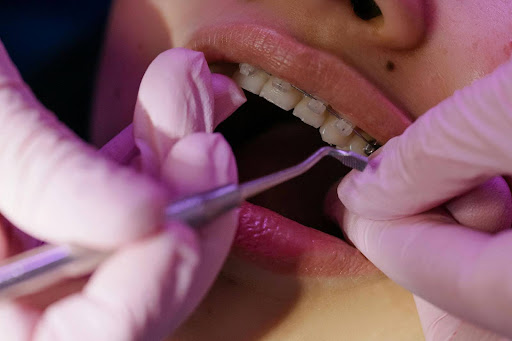
Traditional metal braces are fixed appliances that apply continuous pressure to move teeth and correct bite issues. They remain one of the most reliable options for moderate to complex orthodontic cases.
Pros:
- Highly effective for complex alignment and bite problems
- Works continuously without relying on the child’s compliance
- Predictable results and treatment timelines
Considerations:
- More visible than other options
- Requires careful brushing and flossing
- Certain hard or sticky foods should be avoided
Good fit for: Teens who prefer a set-and-forget approach or children who may struggle with removable appliances.
Ceramic Braces
Ceramic braces function like traditional metal braces but use tooth-coloured brackets that blend with the teeth. They offer a less noticeable solution while still providing effective treatment.
Pros:
- Less visible than metal braces
- Effective for many alignment and bite issues
Considerations:
- Brackets can stain if oral hygiene is poor
- Slightly more delicate than metal braces
- Often, a higher cost
Good fit for: Appearance-conscious teens who still need fixed braces.
Clear Aligners
Clear aligners are removable, nearly invisible trays that gradually move teeth into position. They are particularly suitable for mild to moderate crowding and spacing and for responsible teens who can maintain consistent wear.
Pros:
- Nearly invisible and discreet
- Removable for eating and brushing
- Comfortable, with no brackets or wires
Considerations:
- Must be worn 20–22 hours per day for best results
- Easy to misplace
- Not suitable for all bite or jaw corrections
Good fit for: Responsible teens who want flexibility, play sports or musical instruments, and prefer a discreet option.
Our clinic provides expert guidance on aligner treatment to ensure suitability and effective monitoring.
Palatal Expanders
Palatal expanders are used to widen the upper jaw in children, particularly before or during early puberty. This helps create space for adult teeth and can correct certain bite problems, including crossbites.
Pros:
- Guides jaw development effectively
- Reduces crowding and may prevent extractions later
- Improves bite early
Considerations:
- Temporary speech changes may occur
- Food can get trapped
- Some designs require parental assistance to activate
Good fit for: Children in early treatment phases who need jaw width adjustments.
Functional Appliances
Functional appliances guide jaw growth in children and teens with overbite or underbite concerns. They are particularly effective during growth spurts.
Pros:
- Can improve jaw relationships naturally
- May reduce the need for more complex treatments later
Considerations:
- Some are removable and require compliance
- Can feel bulky initially
Good fit for: Children and teens whose jaw growth patterns benefit from early intervention.
Retainers
Retainers are essential after active orthodontic treatment to maintain alignment and prevent teeth from shifting back.
Pros:
- Maintains alignment and bite results
- Prevents relapse
Considerations:
- Requires consistent wear, especially in the first months
- Can be lost or damaged
Good fit for: Everyone who completes orthodontic treatment.
Parent Checklist for Choosing the Right Appliance
When deciding between appliances, focus on the following factors:
- Identify the main concern
- Bite or jaw issues often require fixed braces, expanders, or functional appliances
- Mild alignment problems may be suitable for clear aligners
- Assess responsibility
- Removable appliances require children who can manage daily routines
- Consider lifestyle
- Sports, music, and sensory sensitivities may influence appliance choice
- Evaluate oral hygiene ability
- Braces require extra cleaning effort; consider tools like electric toothbrushes and floss aids
- Understand costs and duration
- Request a clear breakdown of total cost, included services, expected duration, and policies if treatment extends
Key Questions to Ask at an Orthodontic Consultation
Before committing to any treatment, it is important to come prepared with questions so you can fully understand your child’s diagnosis and the recommended plan.
- What is my child’s diagnosis (crowding, bite, jaw issue)?
- Is early treatment necessary, or should we monitor growth?
- Which appliance options are suitable and why?
- How long will treatment take?
- What results are realistic?
- What are the risks, and how is discomfort managed?
- What is the long-term retention plan?
Helping Your Child Succeed During Treatment
Successful orthodontic treatment depends not only on the appliance but also on consistent support at home to help your child maintain good habits.
- Keep a braces kit with wax, floss picks, and a travel toothbrush
- Brush twice daily for two minutes each time
- Limit sugary snacks and frequent drinks
- Attend all review appointments to avoid treatment delays
Conclusion
Choosing the right orthodontic appliance for your child involves balancing dental needs, lifestyle, and responsibility. Early assessment ensures timely intervention, while understanding options like braces, clear aligners, expanders, and retainers allows parents to make informed decisions. By considering bite, jaw growth, daily routines, and hygiene habits, you can select a solution that keeps your child comfortable and confident throughout treatment.
To explore which orthodontic options are best for your child and begin their journey toward a healthy, aligned smile, you can book an appointment at our clinic today.
Frequently Asked Questions
Many children benefit from an assessment around ages 7–9, particularly if there are bite or jaw concerns.
Yes, for suitable cases if worn consistently for 20–22 hours per day.
Both may cause pressure initially. Braces can irritate brackets, and aligners may feel tight when trays change.
Often yes. The choice depends on whether the issue is dental or skeletal.
Long-term retention is important. Wear may reduce over time, but retainers help prevent teeth from shifting back.