How to Care for Braces Properly in Singapore: Avoid Delays in Treatment
Braces are an investment in your smile, and the way you care for them can directly affect how long your orthodontic treatment takes. Broken brackets, poor oral hygiene, and missed appointments can all cause delays, sometimes extending treatment by several months.
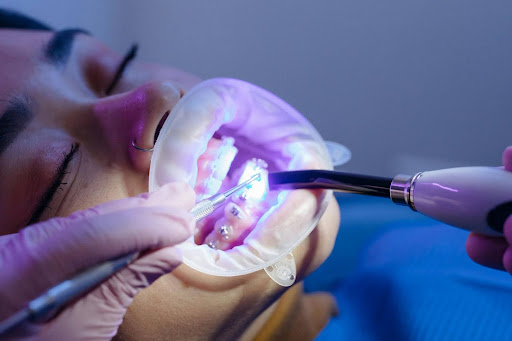
For professional guidance and ongoing support, visiting a trusted dental clinic ensures your braces are monitored properly and adjusted as needed throughout your treatment in Singapore.
This practical and comprehensive guide explains how to care for braces correctly so you can avoid delays and achieve the best possible outcome from your orthodontic treatment.
Quick Braces Care Checklist
- Brush after every meal, or rinse and brush as soon as possible
- Floss daily using floss threaders or interdental brushes
- Avoid hard and sticky foods
- Wear elastics exactly as prescribed
- Attend adjustment appointments on time
- Contact your clinic promptly if something breaks
- Schedule regular dental check-ups for professional cleaning
Why Proper Braces Care Matters
Braces move teeth using controlled, continuous force. When brackets break, wires shift, or gums become inflamed, this force is disrupted. As a result, your orthodontist may need to pause progress or repeat treatment stages.
Proper brace care helps to:
- Maintain consistent tooth movement
- Prevent enamel decalcification and white spot lesions
- Reduce the risk of gum disease
- Minimise emergency visits caused by broken appliances
By keeping your braces in good condition, your orthodontist can follow your treatment plan efficiently and safely.
Brushing Routine for Braces (Step by Step)
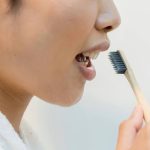
Effective brushing is essential to remove plaque and food debris around brackets and wires.
- Rinse your mouth with water to loosen trapped food
- Brush along the gumline using small circular motions
- Clean the top and bottom of each bracket carefully
- Brush the chewing surfaces and behind the teeth
- Use an interdental brush to clean between brackets and under wires
- Finish with fluoride toothpaste and spit without aggressive rinsing
Helpful Tip: If you cannot brush immediately after eating, rinse thoroughly and brush as soon as possible. Using a soft-bristled orthodontic toothbrush can improve access around brackets.
Flossing With Braces
Flossing with braces requires more time, but it is essential to prevent gum inflammation and permanent enamel marks.
Option A: Floss Threader
- Thread the floss under the wire
- Gently slide it between teeth
- Curve the floss around each tooth in a C-shape and move it up and down
- Repeat for each space
Option B: Water Flosser
A water flosser helps remove food particles around brackets and wires. It should be used as a supplement rather than a replacement for traditional flossing.
Foods to Avoid With Braces
Certain foods are more likely to damage brackets or wires and should be avoided during orthodontic treatment.
- Hard foods such as ice, hard nuts, and popcorn kernels
- Sticky foods, including chewing gum, caramel, and sticky sweets
- Biting directly into hard items like apples or crusty bread, which should be cut into smaller pieces
Local Tip: Popular Singapore snacks such as kaya toast or hard peanuts should be eaten carefully to reduce the risk of breakages.
If you regularly consume staining foods or drinks like coffee, tea, or curry, brushing soon after eating can help keep elastics and brackets clean.
Wearing Elastics Correctly
Elastics play a crucial role in aligning the bite, and inconsistent wear is one of the most common reasons braces treatment is delayed.
- Wear elastics for the number of hours prescribed
- Replace them as instructed
- Avoid wearing them inconsistently or only before appointments
Keeping spare elastics in your bag or at work can help you stay compliant throughout the day.
What to Do if a Bracket or Wire Breaks
Broken brackets or wires are a common orthodontic issue, but acting quickly and correctly can prevent discomfort and unnecessary delays to your braces treatment.
- Stay calm, as breakages are common
- Cover any poking wires with orthodontic wax to prevent irritation
- Avoid cutting or adjusting wires yourself
- Contact your orthodontic dentist promptly for repair
Quick Fix Tip: Keeping a small orthodontic care kit at home with wax, a mirror, and tweezers can help you manage minor issues until your appointment.
Signs You Should Book an Early Review
Some orthodontic issues should not wait until your next scheduled adjustment, as early treatment can prevent complications.
- Persistent pain beyond the normal adjustment period
- Swollen or bleeding gums that do not improve with cleaning
- Loose brackets or shifting wires
- Mouth ulcers that recur frequently
Early reviews allow your orthodontist to address problems before they interfere with treatment progress.
How Oral Hygiene Can Help Shorten Treatment Time
Patients who maintain excellent oral hygiene often experience fewer complications and smoother treatment progress. Regular brushing, flossing, and professional dental cleanings reduce inflammation and allow orthodontic adjustments to continue as planned.
For patients exploring alternatives to traditional braces, aligners may be suitable in some cases, although good oral hygiene remains essential regardless of treatment type.
Tips for Busy Singapore Patients
Balancing braces care with work or school can be challenging. These tips can help you stay consistent.
- Carry a travel toothbrush and toothpaste
- Use pocket-sized floss threaders or a water flosser
- Schedule adjustment appointments in advance
- Keep braces-friendly snacks on hand
These habits help prevent missed care routines that could delay treatment.
Conclusion
Caring for braces properly is key to avoiding treatment delays and achieving a healthy, well-aligned smile. Consistent brushing and flossing, careful food choices, correct elastic wear, and prompt attention to breakages all contribute to smoother orthodontic progress.
If you are wearing braces in Singapore and have concerns about discomfort, broken appliances, or treatment progress, you can contact Kent Dental Works for professional advice and personalised orthodontic care.
Frequently Asked Questions
Ideally, after every meal. If that is not possible, rinse thoroughly and brush as soon as you can.
Yes. Plaque build-up and gum inflammation can complicate treatment and may require additional care.
Hard foods such as ice and nuts, and sticky foods like chewing gum and caramel.
Yes. Inconsistent elastic wear is a frequent cause of extended treatment timelines.
Cover it with orthodontic wax and arrange an adjustment with your orthodontic dentist.