Root Canal Treatment in Singapore
Root canal treatment is a reliable dental procedure used to save infected or severely decayed teeth while relieving persistent pain and preventing further complications. At Kent Dental Works, we provide precise and comfortable endodontic care focused on removing infection, preserving your natural tooth, and restoring long-term function.
Book your consultation today to restore your oral health with confidence.
What is Root Canal Treatment?
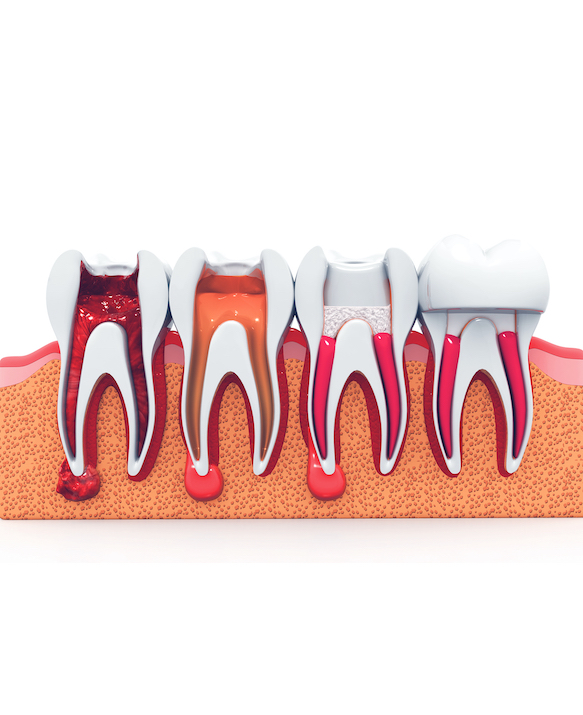
Root canal treatment, also known as endodontic therapy, is a procedure that treats infection or inflammation inside a tooth. It involves removing infected pulp tissue, cleaning and disinfecting the root canals, and sealing the tooth to prevent reinfection.
This treatment helps you keep your natural tooth, restore normal chewing function, and eliminate pain caused by infection without the need for extraction.
When You May Need Root Canal Treatment
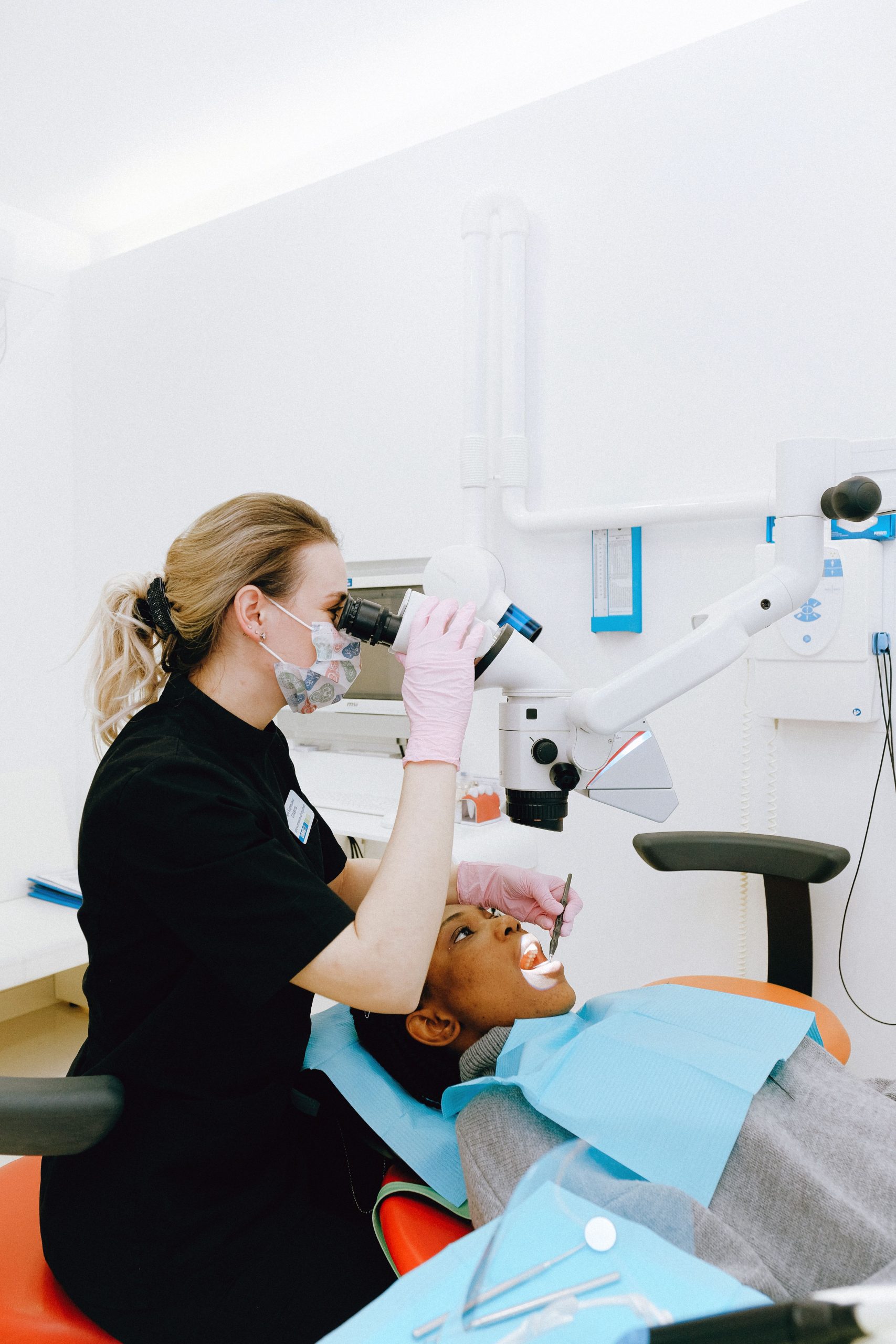
Root canal treatment is usually recommended when the inner pulp of a tooth becomes infected or damaged. Early assessment helps prevent further complications.
Common signs include:
- Persistent or throbbing tooth pain
- Sensitivity to hot or cold that lingers
- Pain when biting or chewing
- Swollen or tender gums near a tooth
- Tooth darkening or discolouration
- Recurring gum abscess or pus discharge
These symptoms often indicate that the infection has reached the nerve and requires prompt treatment.
Causes of Tooth Infection Requiring Root Canal
Tooth infections develop gradually due to damage, decay, or repeated stress on a tooth.
- Deep tooth decay: Untreated cavities can reach the pulp, leading to infection and inflammation.
- Cracked or fractured teeth: Even small cracks can allow bacteria to enter the inner tooth structure.
- Repeated dental procedures: Multiple treatments on the same tooth may weaken the pulp over time.
- Old or leaking fillings: Worn fillings can allow bacteria to seep inside the tooth.
- Damaged crowns: Poorly fitted crowns may allow bacterial leakage underneath.
- Tooth trauma: An injury can damage the nerve even if the tooth looks intact.
- Advanced gum disease: Severe gum infection can expose roots and increase the risk of pulp infection.
Risks of Delaying Root Canal Treatment
Delaying treatment can worsen the infection and reduce the chance of saving the tooth.
Without timely care, this may lead to:
- Spread of infection to the surrounding bone or tissues
- Increased pain and swelling
- Dental abscess formation
- Weakening or fracture of the tooth
- Higher risk of tooth loss
- More complex and costly treatment later
Early treatment improves comfort and helps preserve your natural tooth.
Benefits of Root Canal Treatment
Root canal treatment is designed to remove infection while preserving your natural tooth.
- Preserves your natural tooth
- Relieves persistent dental pain
- Stops infection from spreading
- Restores chewing and biting function
- Maintains jawbone structure and alignment
- Avoids tooth extraction
- High long-term success rate with proper restoration
With good oral care, a treated tooth can last for many years.

Types of Root Canal Treatment
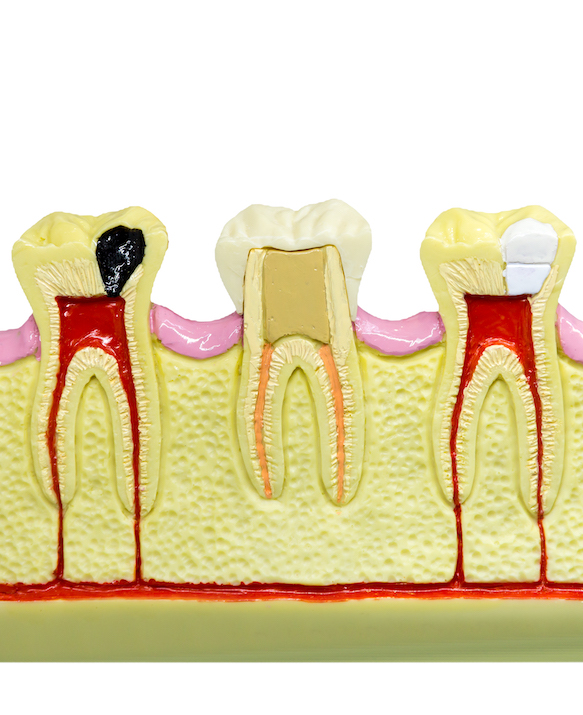
Treatment depends on the severity and condition of the infection.
Non-surgical root canal treatment
This is the most common approach. The infected pulp is removed through the crown of the tooth, followed by cleaning, shaping, and sealing of the canals. It is minimally invasive and effective for most cases.
Surgical root canal treatment (Apicoectomy)
This is used when infection persists after initial treatment or when root anatomy is complex. A small incision is made in the gum to remove infected tissue at the root tip, followed by sealing to prevent reinfection.
Root Canal Treatment Procedure at Kent Dental Works
Our approach focuses on comfort, precision, and long-term success.
- Diagnosis and imaging: Digital X-rays are used to assess infection and plan treatment accurately.
- Local anaesthesia: The tooth is fully numbed to ensure a pain-free experience.
- Removal of infection: The infected pulp is carefully removed, and the canals are cleaned and disinfected.
- Sealing the tooth: The canals are sealed to prevent reinfection and restore internal stability.
- Final restoration: A filling or crown is placed to strengthen and protect the tooth. Most treatments are completed within one to two visits, depending on complexity.
Root Canal Treatment Cost
At Kent Dental Works, pricing is clear and based on tooth type:
- Incisor / Canine: S$550 – S$650
- Premolar: S$650 – S$800
- Molar: S$900 – S$1,100
Final cost depends on diagnosis, tooth condition, and whether additional restoration, such as a crown, is required. A full treatment plan will always be provided before starting.
Recovery and Aftercare
Most patients return to normal activities within 24 hours. Mild tenderness is common and usually settles within a few days.
Aftercare tips:
- Avoid chewing on the treated tooth until fully restored
- Maintain gentle but regular brushing and flossing
- Take pain relief if recommended by your dentist
- Avoid hard or sticky foods during early healing
- Return for crown placement if advised
Proper aftercare is important for long-term success.


Alternatives to Root Canal Treatment
If the tooth cannot be saved, alternative treatments may be considered.
Tooth extraction: Removal of the infected tooth to relieve pain and stop infection.
Dental bridge: A fixed option that replaces a missing tooth using neighbouring teeth for support.
Dental implant: A long-term replacement option that restores both function and appearance after tooth extraction. A natural-looking replacement, such as dental implants, may be considered for durable tooth replacement.
Whenever possible, preserving your natural tooth remains the preferred option.
Why Choose Kent Dental Works for Root Canal Treatment
Choosing the right clinic makes a real difference to comfort, healing and long-term success.
- Gentle, patient-focused treatment designed to minimise discomfort
- Advanced digital imaging for precise diagnosis and planning
- Experienced dental team trained in endodontic care
- Clear explanations so you always know what to expect
- Strong focus on saving natural teeth whenever possible
- Transparent pricing with no hidden costs
- Continued care and follow-up support after treatment
We aim to make root canal treatment as comfortable and straightforward as possible while protecting your long-term oral health.
If you have concerns or would like guidance, you may speak to our dentists for personalised advice.
Book Your Root Canal Appointment Now
Root canal treatment can save your natural tooth and restore comfort and function.
Book your consultation today with Kent Dental Works and take the first step towards a healthier smile.
FAQs – Root Canal Treatment in Singapore
No, root canal treatment is generally not painful. It is performed under local anaesthesia to fully numb the tooth. Most patients feel pressure rather than pain during the procedure, and any mild discomfort afterwards is temporary and manageable with over-the-counter pain relief.
A root canal usually takes about 1–2 hours per visit, depending on the severity of infection and tooth complexity. Some cases may require more time or additional visits.
Most root canal treatments are completed in one to two visits. More complex cases, particularly molar teeth, may require additional appointments.
Yes, in most cases, a dental crown is recommended. It helps protect the treated tooth, restore strength, and prevent fractures, especially for posterior teeth used for chewing.
Yes. Root canal treatment is usually preferred because it preserves your natural tooth, maintains bite alignment, and helps prevent bone loss. Extraction is only considered when the tooth cannot be saved.
Delaying treatment can lead to worsening infection, severe pain, abscess formation, bone loss, and eventual tooth loss, often making treatment more complex and costly.
A successfully treated and properly restored tooth can last 10–15 years or longer, and often a lifetime, with good oral hygiene and regular dental check-ups.
Although uncommon, root canal treatment can fail due to reinfection, hidden canals, cracks in the tooth, or new decay. In such cases, retreatment or further dental procedures may be required.
Yes. Root canal treatment is a safe, routine, and highly effective dental procedure widely performed to remove infection and save natural teeth.
Most patients recover within a few days, although mild sensitivity when biting may last slightly longer. Full healing of the surrounding tissues can take a few weeks.